

Phoenix Dental – Carrollwood, Tampa
The Hidden Dangers of Ignoring Cracked, Necrosed, and Abscessed Teeth: How Dental Infections Spread and Damage the Body
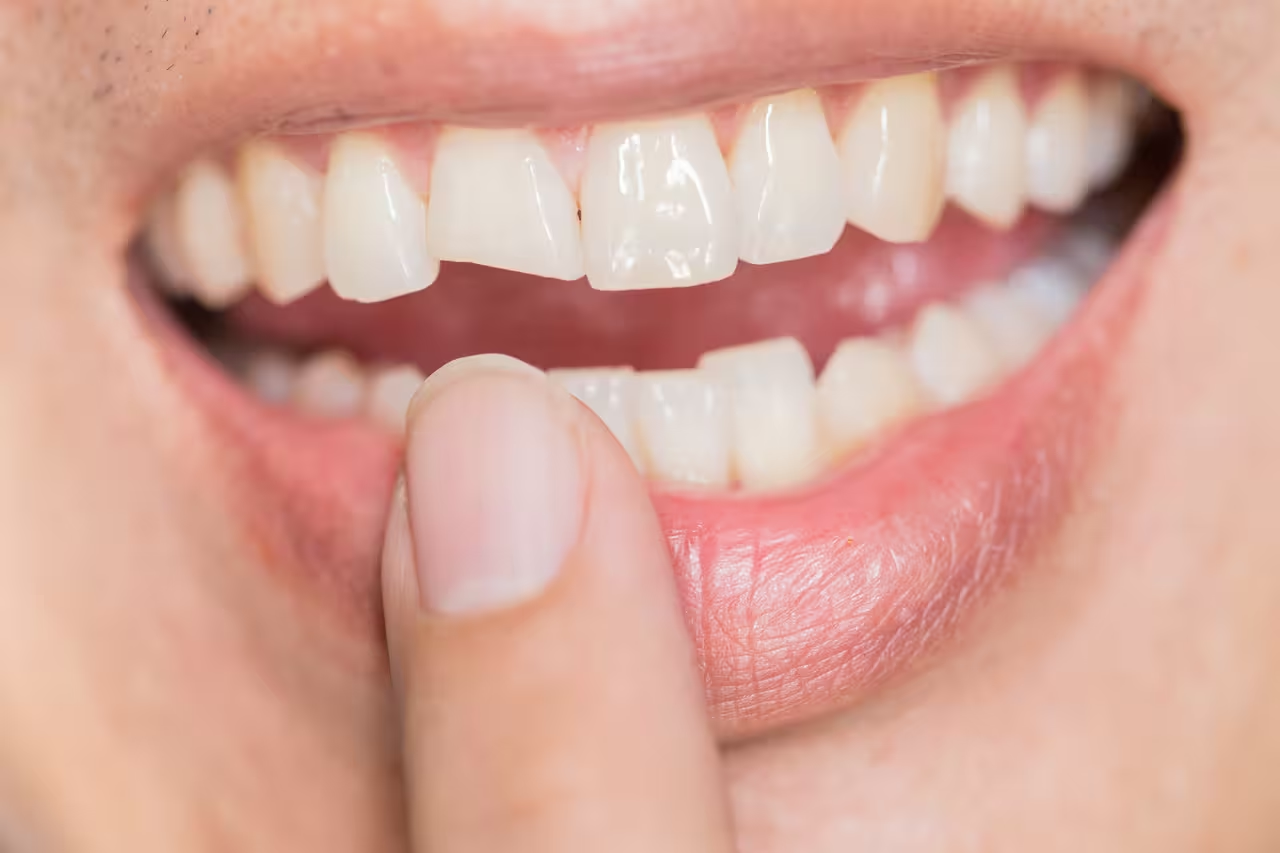
A cracked tooth, a necrosed nerve, or a dental abscess is not a minor problem — it is a progressing infection that can threaten far more than your teeth. When a tooth becomes infected or the nerve dies, the infection does not stay contained. Bacteria can travel into the jawbone, bloodstream, sinuses, throat, and even vital organs.
At Phoenix Dental in Carrollwood/Tampa, we see the severe consequences of neglected dental infections — consequences that are painful, costly, and sometimes life-threatening.
Ignoring a cracked, necrosed, or abscessed tooth is one of the most dangerous oral health decisions a patient can make.
How a Cracked or Necrosed Tooth Turns Into a Serious Infection
A tooth may become:
- Cracked — allowing bacteria to enter the inner tooth
- Necrosed (“dead nerve”) — cutting off blood supply and trapping bacteria
- Abscessed — forming a pus-filled infection in the bone or gums
Once bacteria reach the nerve chamber, they multiply and spread through the root tips into the surrounding bone.
This is where the real danger begins.
Why Patients Delay Treating Infected Teeth
Common reasons people wait too long:
- The pain “comes and goes”
- Swelling improves temporarily
- They take antibiotics without treating the cause
- Dental fear or anxiety
- They hope the tooth will “calm down”
- The pain stops after the nerve dies
Important: When pain stops due to nerve death, the infection is still growing — just silently.
How Dental Infections Spread Through the Body
When bacteria leave the tooth, they can enter:
- Jawbone
- Bloodstream
- Sinus cavities
- Facial spaces
- Neck and airway
- Brain (in rare but severe cases)
A dental abscess is an active infection — not just inflammation — and must be addressed urgently.
Systemic Health Risks of Ignoring Dental Infections
1. Heart Disease & Endocarditis
Oral bacteria can enter the bloodstream and infect heart tissue, increasing:
- Risk of heart attack
- Risk of stroke
- Risk of heart valve infection
Patients with heart conditions, diabetes, or prosthetic valves are especially vulnerable.
2. Sepsis (Life-Threatening Blood Infection)
An untreated dental abscess can trigger sepsis.
Symptoms include:
- Fever
- Chills
- Rapid heartbeat
- Confusion
- Low blood pressure
Sepsis is a medical emergency.
3. Brain Infection
Upper tooth infections can spread to:
- Sinuses
- Eye socket
- Brain
Potential complications:
- Meningitis
- Brain abscess
- Vision issues
4. Lung and Airway Complications
Inhaled oral bacteria can cause:
- Pneumonia
- Airway swelling
- Ludwig’s Angina — a life-threatening airway infection from untreated lower molar abscesses
5. Worsening of Chronic Illness
Dental infections worsen:
- Diabetes
- Kidney disease
- Immune function
- Inflammation
- Pregnancy outcomes
The mouth is directly connected to whole-body health.
Maxillary vs. Mandibular Infection Risks
Upper Teeth (Maxillary) Infections
More likely to spread to:
- Sinus cavities
- Eye orbit
- Brain
- Facial spaces above the cheek
Symptoms:
- Pressure under the eyes
- Pain near the temples or cheeks
- Swelling around the eyes
- Sinus pressure or congestion
Lower Teeth (Mandibular) Infections
More likely to spread to:
- Floor of the mouth
- Throat
- Neck and airway
Complications:
- Difficulty swallowing or breathing
- Severe swelling
- Ludwig’s Angina (medical emergency)
Warning Signs of a Dangerous Dental Infection
Seek immediate care if you experience:
- Facial or jaw swelling
- Fever or chills
- Pain when swallowing
- Difficulty breathing
- Severe or spreading pain
- Bad taste or pus
- Tooth that suddenly stops hurting
- Pain that wakes you up
- Red streaks in your neck
- Trouble opening your mouth fully
These symptoms may signal that the infection is spreading beyond the tooth.
Why Antibiotics Alone Are NOT Enough
Antibiotics reduce symptoms — but they don’t cure the problem.
If the tooth is:
- Cracked
- Necrosed
- Abscessed
...then only root canal therapy, restoration, or extraction will stop the infection at its source.
Antibiotics = temporary relief
Dental treatment = permanent solution
How Phoenix Dental Treats Dangerous Tooth Infections
We provide urgent, effective care including:
- Pulp and crack testing
- Digital X-rays
- Emergency drainage (if needed)
- Root canal therapy
- Core build-ups and crown placement
- Tooth extractions (if non-restorable)
- Monitoring sinus or jaw involvement
- Antibiotics when appropriate
- Pain relief and infection control
- Referrals for surgical or hospital care if advanced spread is suspected
Our priority is to stop the infection safely and quickly.
Frequently Asked Questions
Can an abscess kill you?
Yes — infections can spread to the brain, bloodstream, or airway.
Can a dental infection spread without pain?
Yes. Once the nerve dies, pain may stop even as the infection worsens.
Do cracked teeth always get infected?
Not always, but cracks give bacteria a direct path inside the tooth.
Why did my tooth stop hurting?
The nerve may be dead. This is a warning sign — not a sign of improvement.
Why Choose Phoenix Dental for Infection Management?
- Same-day appointments for pain and swelling
- Advanced diagnostics with digital imaging
- Root canal or extraction done in-house
- Focus on saving the tooth when possible
- Transparent, calming communication
- No scare tactics — just clear solutions
- Preventive follow-up to avoid recurrence
We take infections seriously because the consequences can be life-threatening.
Conclusion
Cracked teeth, necrotic nerves, and dental abscesses are not just dental concerns — they are serious infections that can spread through the body and threaten your health.
Don’t ignore the signs. With early diagnosis and expert treatment, Phoenix Dental can help protect not just your teeth — but your overall well-being.
Call us at (813) 419-3808 or schedule online if you think you may have an infected, cracked, or abscessed tooth.
Your health may depend on it.
Stay Tuned
Have a question you’d like us to cover? Contact us—we’d love to hear from you.
