

Phoenix Dental – Carrollwood, Tampa
Surgical Extractions, Alveoloplasty, Bone Grafting & Chlorhexidine: What to Expect and How Healing Works at Phoenix Dental
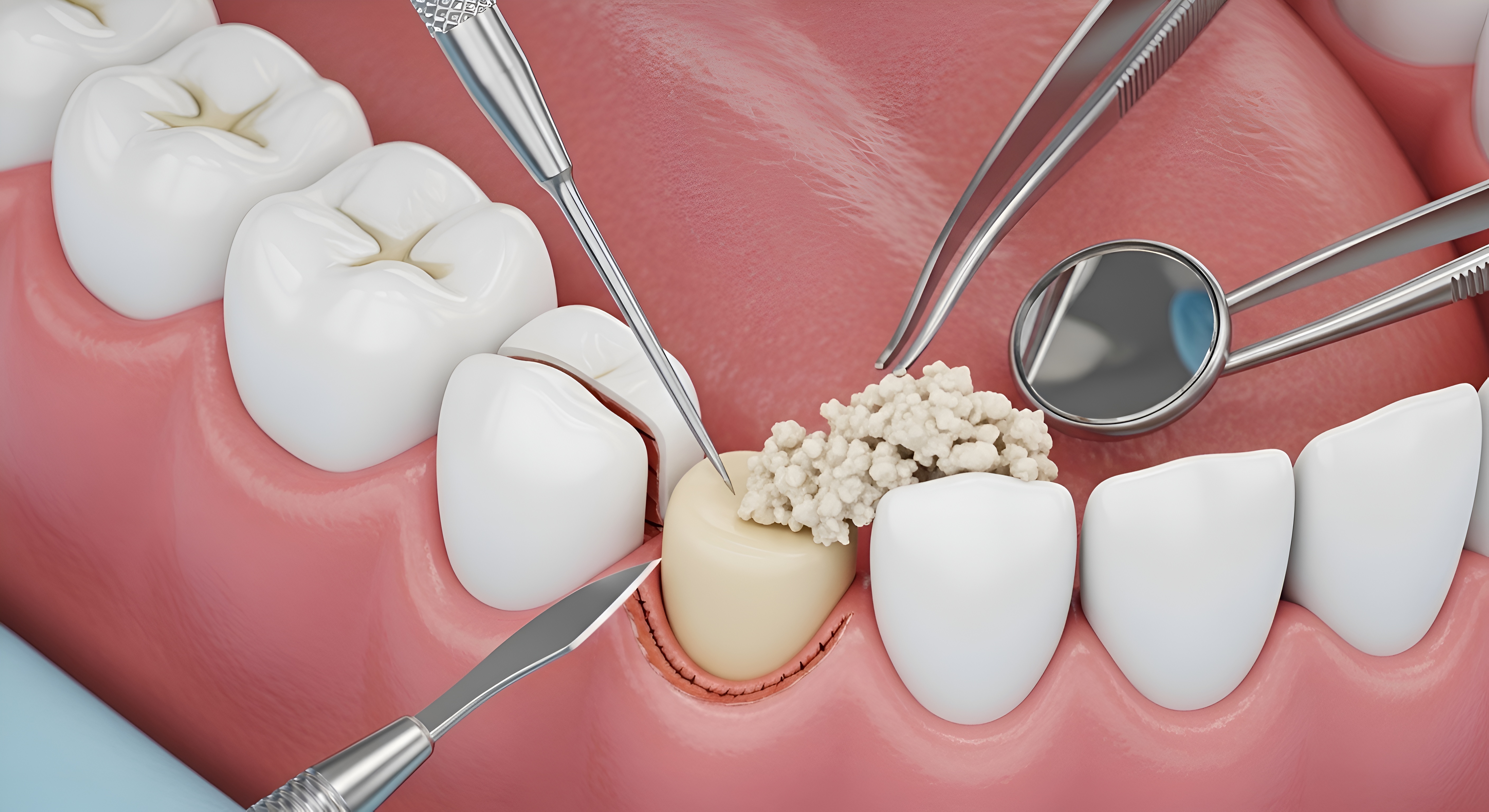
When a tooth is severely damaged, infected, or impacted, a simple extraction may not be enough to remove it safely. At Phoenix Dental in Carrollwood/Tampa, we perform surgical extractions, socket alveoloplasty, and bone grafting to protect your oral health and support smooth healing.
We also provide detailed after-care guidance — including chlorhexidine rinses — to help reduce complications and improve recovery.
Here’s what to expect before, during, and after treatment.
What Is a Surgical Extraction?
A surgical extraction is a more advanced tooth removal procedure used when a tooth:
- Is broken below the gumline
- Is severely decayed
- Has curved or difficult roots
- Is partially or fully impacted
- Cannot be safely removed with simple techniques alone
Surgical extractions may involve:
- Local anesthesia and sedation options
- Small openings in the gum tissue
- Sectioning the tooth into smaller pieces
- Thorough cleaning of the socket
- Removal of infection or damaged tissue
This approach helps minimize trauma and protect surrounding bone and tissues.
Learn more about tooth extractions and when surgical treatment may be necessary.
What Is Socket Alveoloplasty?
After a tooth is removed, the surrounding bone can sometimes remain uneven or sharp.
Alveoloplasty is the process of smoothing and reshaping the bone and ridge after extraction.
Benefits include:
- Removing sharp bone edges or spicules
- Improving comfort during healing
- Creating a smoother ridge for dentures or partials
- Reducing irritation to the gums
- Supporting long-term oral comfort
Even small areas of reshaping can significantly improve healing quality and comfort.
Benefits of Bone Grafting After Extractions
Bone grafting places graft material into the socket immediately after extraction to support the jawbone as it heals.
Benefits of grafting include:
- Preserving the shape and height of the ridge
- Reducing bone shrinkage after tooth loss
- Supporting future restorative options
- Improving denture or partial denture comfort
- Helping maintain facial support
- Supporting healthier gum tissue contours
When a tooth is removed, bone loss begins immediately. Bone grafting helps dramatically slow this process.
Learn more about bone grafting after extractions.
Benefits of Chlorhexidine Rinse After Surgery
Chlorhexidine (CHX) is a prescription antimicrobial rinse often recommended after oral surgery.
Benefits include:
- Reducing harmful bacteria during healing
- Lowering infection risk
- Helping control inflammation
- Keeping the surgical area cleaner while brushing is limited
- Supporting healthier gum tissue during recovery
Patients typically use chlorhexidine for 1–2 weeks after surgery as directed.
What to Expect During Healing
Healing from surgical extraction and grafting occurs in stages.
Stage 1: First 24–72 Hours
- Mild swelling and tenderness are normal
- Slight bleeding or oozing may occur
- Ice packs help reduce swelling
- Chlorhexidine supports cleaner healing
- Protecting the blood clot is critical
Avoid vigorous rinsing, smoking, or using straws during this period.
Stage 2: Days 3–10
- Swelling gradually improves
- Gum tissue begins closing over the socket
- Bone graft material begins integrating
- Bruising may fade
- Soft foods remain recommended
Stage 3: Weeks 2–6
- Gum tissue strengthens and stabilizes
- Bone remodeling continues beneath the surface
- Alveoloplasty areas smooth out under the gums
- Normal eating becomes easier
Stage 4: Months 2–6
- Bone becomes denser and stronger
- Ridge contours stabilize
- Long-term healing becomes predictable
- Future restorative planning becomes easier
Although gums heal quickly, the underlying bone continues developing for several months.
Home Care Tips After Surgery
For smoother healing:
- Use chlorhexidine exactly as directed
- Avoid smoking or vaping
- Avoid straws and forceful spitting
- Eat soft, cool foods early on
- Keep the area clean without aggressive brushing
- Attend all follow-up appointments
Protecting the surgical site during the first week is essential for proper healing.
Frequently Asked Questions
Is a surgical extraction more painful than a simple extraction?
No. Local anesthesia and gentle surgical techniques keep the procedure comfortable.
Do I always need alveoloplasty?
Not always, but it is often recommended when uneven bone remains or future prosthetics are planned.
Is bone grafting necessary after every extraction?
No — but grafting often improves long-term bone preservation and healing quality.
Can I brush after surgery?
Yes, but avoid directly brushing the surgical site for the first few days.
How long before I feel normal again?
Most patients feel significantly better within 3–7 days, while deeper healing continues for several months.
Why Choose Phoenix Dental for Surgical Extractions?
- Gentle, conservative surgical techniques
- Precise alveoloplasty for smoother healing
- High-quality bone graft materials
- Detailed post-operative guidance
- Close healing follow-up
- Calm, compassionate patient care
We focus on predictable healing and long-term oral health — not quick fixes.
Conclusion
Surgical extractions may sound intimidating, but with proper planning, bone grafting, alveoloplasty, and post-operative care, healing is typically smooth and predictable.
At Phoenix Dental, we prioritize your comfort while protecting the long-term health and structure of your jawbone and surrounding teeth.
Call (813) 419-3808 or schedule online to learn more or plan your surgical care.
Stay Tuned
Have a question you’d like us to cover? Contact us—we’d love to hear from you.
