


Phoenix Dental – Carrollwood, Tampa
Partial Dentures: Benefits, Care, Hygiene Follow-Ups, Adaptation Timeline, and When to Replace Them
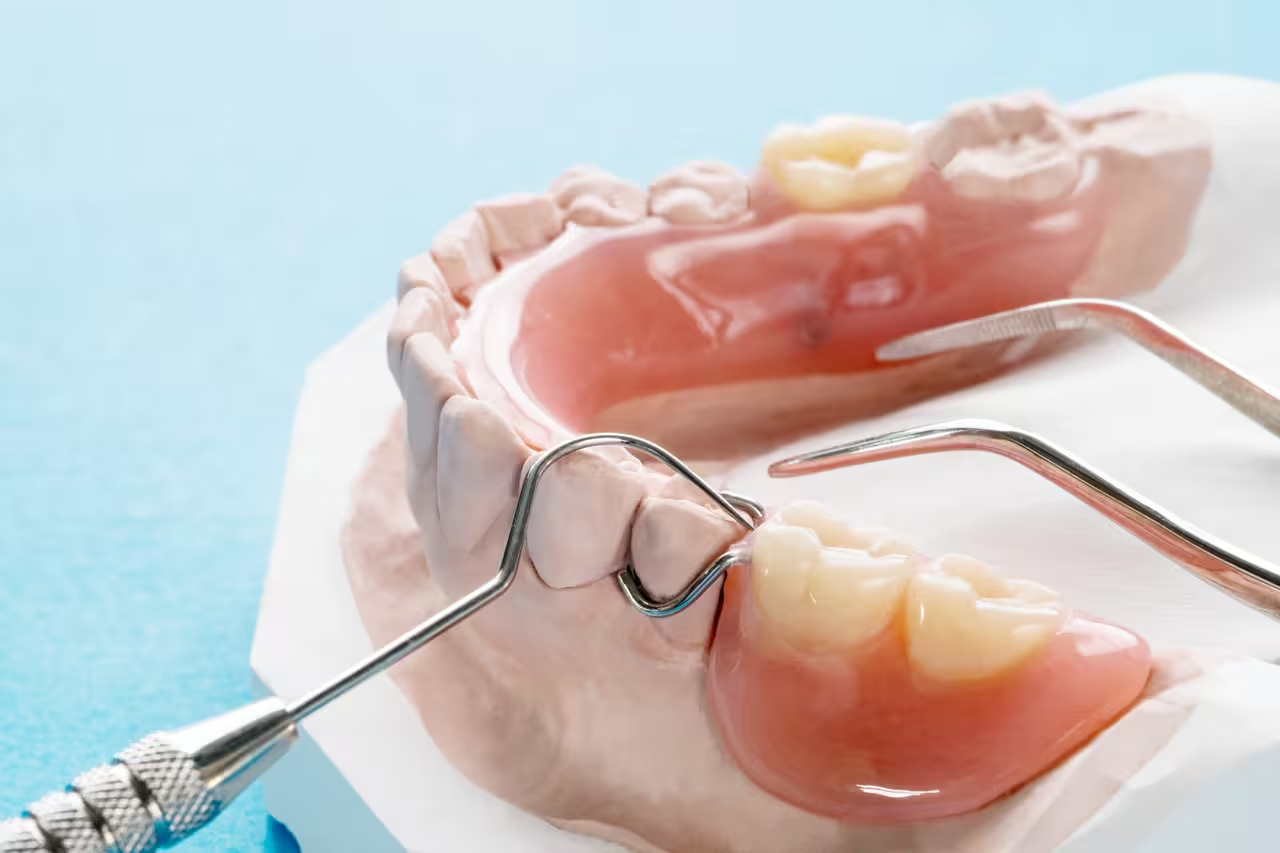
Partial dentures are an excellent solution for replacing multiple missing teeth while preserving your remaining natural teeth. At Phoenix Dental in Carrollwood/Tampa, we design partials that are comfortable, functional, and natural-looking.
Just like complete dentures, partial dentures require practice, patience, and routine follow-up care. This guide covers everything you need to know — from benefits and home-care instructions to the learning curve and when it may be time for a new set.
What Are Partial Dentures?
Partial dentures are removable dental appliances designed to replace one or several missing teeth while supporting and connecting to your remaining natural teeth.
They help by:
- Restoring your smile and facial support
- Supporting chewing and speech
- Preventing neighboring teeth from shifting
- Maintaining bite stability
- Improving oral function and confidence
Partials can be made from acrylic, metal frameworks, flexible materials, or combinations — depending on your needs.
Benefits of Partial Dentures
- Restore Function & Chewing Ability: Partials help distribute chewing forces evenly and allow you to enjoy more foods with confidence.
- Improve Appearance & Support Facial Muscles: They fill in gaps, add lip and cheek support, and provide a natural-looking smile.
- Protect Remaining Teeth: By replacing missing teeth, partials prevent remaining teeth from drifting, tilting, or over-erupting.
- Affordable, Non-Surgical Tooth Replacement: Partials offer a cost-effective option without surgery or extensive treatment.
- Easy to Repair or Modify: If changes occur over time, partials can be adjusted or relined as needed.
The Learning Curve: What to Expect
Adjusting to partial dentures is a personal journey. Your experience depends on:
- Determination
- Gum and bone anatomy
- Number of missing teeth
- Bite alignment
- Dexterity and comfort with removable appliances
- Previous denture experience
Adaptation Timeline for Partial Dentures
Week 1–2 — Getting Used to the Feel
- Slight soreness or pressure is normal
- Speech may sound different
- Chewing takes practice
- Saliva may temporarily increase
Weeks 3–6 — Comfort Improves
- Speaking becomes easier
- Muscles begin to stabilize the partial
- Chewing improves
- Adjustments relieve sore spots
Months 2–6 — Confidence Grows
- Wearing the partial feels natural
- You learn which foods are best
- Insertion and removal become effortless
- Overall comfort significantly increases
Success depends heavily on patience, practice, and wearing the partial consistently.
How to Care for Partial Dentures
Daily Care Instructions
- Remove and brush the partial after meals
- Use a soft brush and non-abrasive denture cleanser
- Avoid regular toothpaste — it scratches the surface
- Rinse after every meal
- Soak the partial in a denture solution overnight
- Keep it moist at all times when not worn
- Brush your gums, tongue, and natural teeth daily
Avoid:
- Hot water (can warp the appliance)
- Harsh chemicals
- Sleeping with the partial in (unless directed)
Proper care dramatically extends the lifespan of your partial.
Essential Hygiene Appointment Follow-Ups
Even with partial dentures, routine dental cleanings are critical. At your hygiene visits, we:
- Check the health of remaining teeth
- Evaluate gum health and pockets
- Inspect the partial for cracks or wear
- Clean clasps and framework buildup
- Adjust any irritation points
- Monitor bone levels and bite changes
Skipping these visits can lead to:
- Cavities on natural teeth
- Gum inflammation
- Poor denture fit
- Broken clasps
- Infections
- Faster deterioration of remaining teeth
Regular hygiene visits help your partial — and your smile — last longer.
When to Replace Your Partial Denture
Most partial dentures last 5–7 years, depending on:
- Bone and gum changes
- Wear and tear
- Condition of remaining teeth
- Daily care habits
You may need a replacement if you notice:
- Frequent sore spots
- Looseness or shifting
- Difficulty chewing
- Cracks or broken clasps
- Changes in speech or bite
- Significant staining or odor
- Aged or worn appearance
- Misalignment or tooth loss since fitting
As your mouth changes, your partial must change too.
Frequently Asked Questions
How long until I get used to my partial?
Most people adapt within a few months — consistency is key.
Will it hurt?
Mild soreness is normal at first. Persistent discomfort means it needs an adjustment.
Do I wear my partial all day?
Yes — but remove it at night unless your dentist instructs otherwise.
Can I eat normally?
Start with soft foods and work your way up as you gain comfort.
Will insurance cover a new partial?
Many plans offer partial denture benefits every 5–7 years. Coverage varies by policy.
Why Choose Phoenix Dental for Partial Dentures?
- Natural-looking, custom-fit partials
- Honest expectations and clear timelines
- Comfortable fittings and thorough adjustments
- Long-term hygiene and denture care
- Designs based on your goals and daily needs
- Compassionate, supportive team throughout your journey
We’re here to support you well beyond delivery day — from fitting to function to replacement.
Conclusion
Partial dentures are a dependable, effective way to restore missing teeth and improve oral function. With good care, consistent hygiene visits, and a little patience during the learning curve, they can serve you well for years.
Call (813) 419-3808 or schedule online to find out if partial dentures are right for you.
Stay Tuned
Have a question you’d like us to cover? Contact us—we’d love to hear from you.
