

Phoenix Dental – Carrollwood, Tampa
Dental Erosion & Acid Damage: How Acids Wear Down Your Enamel and How Phoenix Dental Protects Your Teeth
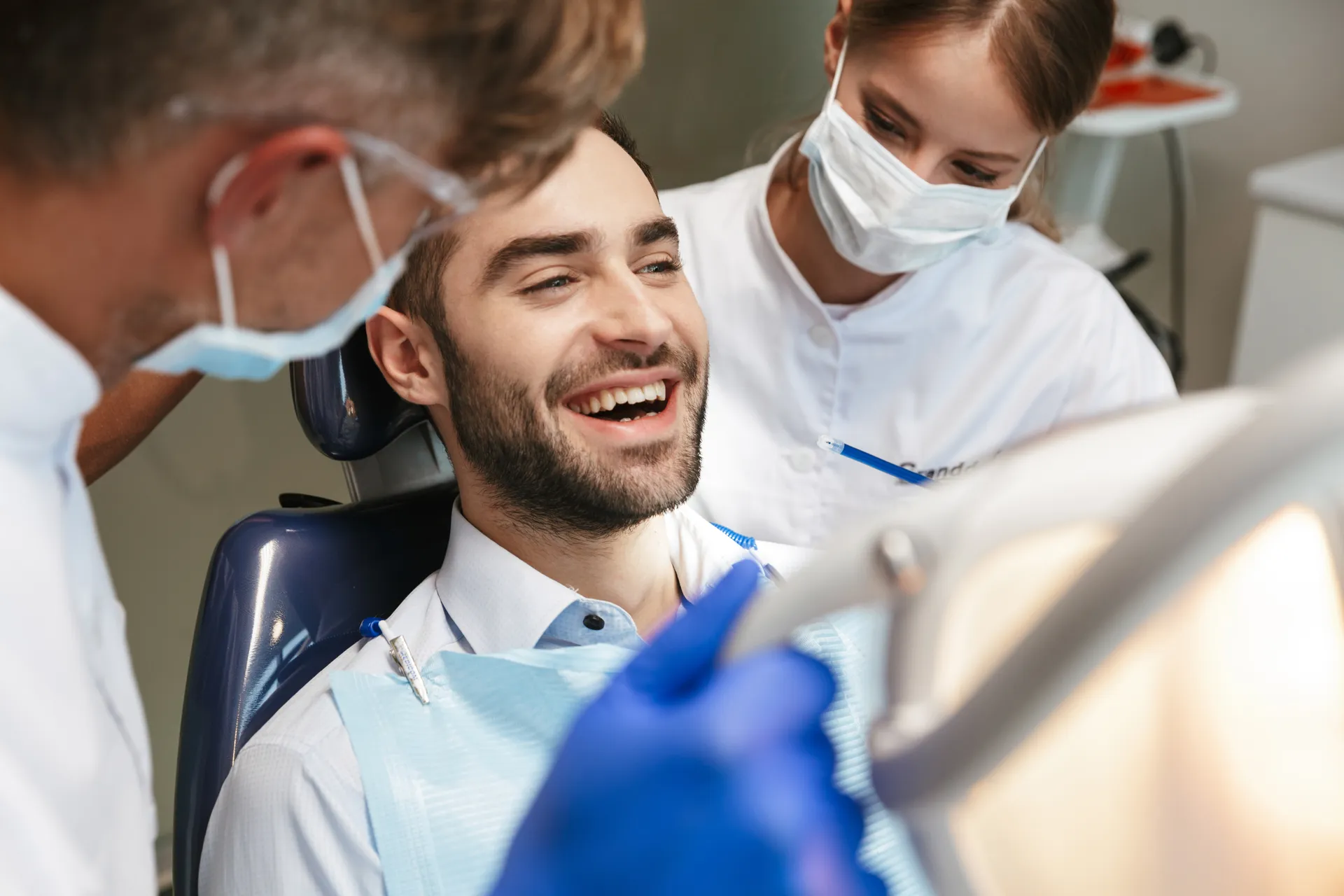
Dental erosion — also known as acid erosion — is one of the most common and most damaging oral health problems. Unlike cavities caused by bacteria, erosion is caused by acidic foods, drinks, and habits that slowly dissolve enamel. Once enamel wears away, it cannot grow back.
At Phoenix Dental in Carrollwood/Tampa, we diagnose enamel erosion early and help patients protect their teeth from long-term damage, sensitivity, and fractures.
Here’s everything you need to know about what causes acid damage, how to stop it, and how we can help.
What Is Dental Erosion?
Dental erosion is the loss of enamel — the hard, protective outer layer of the tooth — caused by acid, not bacteria.
Acid softens and dissolves enamel, leaving the tooth vulnerable to:
- Sensitivity
- Thinning enamel
- Chipping
- Cracks
- Cavities
- Darkening of teeth
- Gumline wear
- Bite changes
- Tooth shortening
Once erosion begins, it accelerates if not treated.
Common Causes of Acid Damage
1. Acidic Drinks (Most Common Cause)
Frequent consumption of acidic beverages erodes enamel quickly, including:
- Soda (regular or diet)
- Energy drinks
- Sports drinks
- Citrus juices
- Sparkling water (yes, even sugar-free)
- Wine
Acidic drinks soften enamel for 30–60 minutes after each sip.
2. Acidic Foods
Some healthy foods still erode enamel if consumed too often:
- Citrus fruits
- Tomatoes
- Vinegar-based foods
- Pickles
The problem isn’t eating them — it’s frequent exposure.
3. GERD / Acid Reflux
Stomach acid reaching the mouth can be extremely damaging and often causes:
- Thinning enamel
- Sensitivity
- Rapid erosion on back teeth
Many patients with reflux don’t realize their teeth are being affected.
4. Dry Mouth (Xerostomia)
Saliva protects enamel by neutralizing acids.
When saliva is low:
- Acid stays on teeth longer
- Erosion speeds up
- Sensitivity increases
Learn more about dry mouth treatment and how it affects enamel.
5. Eating Disorders / Frequent Vomiting
Stomach acid contacting the teeth causes severe erosion, especially on the inner surfaces of upper teeth.
6. Over-Brushing After Acidic Foods
Brushing immediately after consuming acid causes abrasive erosion because enamel is softened and vulnerable.
Signs of Dental Erosion
You may notice:
- Sensitivity to cold, sweets, or air
- Teeth appearing more yellow
- Rounded or smooth edges
- Transparent edges on front teeth
- Cracks or chips
- Flattened or shortened teeth
- Increased cavities
- Discomfort when eating or drinking
- Gumline wear
We can identify early erosion before symptoms become severe.
Why Dental Erosion Is Dangerous
Enamel does not regenerate. Once it is lost, it must be restored.
Untreated erosion can lead to:
- Severe sensitivity
- Cracked teeth
- Rapid decay
- Need for fillings, crowns, or bonding
- Bite changes
- Tooth fractures
- Difficulty chewing
- More extensive and costly treatment
Early intervention helps preserve natural tooth structure.
How Phoenix Dental Treats Acid Damage
Treatment depends on the severity of enamel loss.
1. Fluoride Varnish & Desensitizing Treatments
- Strengthens enamel
- Reduces sensitivity
- Provides protective barrier
2. Enamel Bonding
For early erosion, a bonded layer protects the tooth and restores appearance.
3. Composite Repairs
Rebuilds worn areas to restore structure and function.
4. Crowns or Veneers (Advanced Cases)
Severely damaged teeth may require full coverage restorations.
5. Night Guard for Grinding (Bruxism)
Grinding accelerates enamel loss.
A custom night guard helps protect teeth from additional wear and fracture. Learn more about custom night guards.
6. Saliva Support
We help manage dry mouth with:
- Hydration strategies
- Saliva substitutes
- Xylitol products
- Medication review
7. Diet & Habit Counseling
Small adjustments can significantly slow erosion and protect enamel long-term.
How to Prevent Acid Damage at Home
- Avoid sipping acidic drinks throughout the day
- Drink in one sitting instead of prolonged exposure
- Use a straw to reduce contact with teeth
- Rinse with water after acidic foods or drinks
- Wait 30–60 minutes before brushing
- Use a soft electric toothbrush
- Use fluoride toothpaste
- Limit frequent snacking
- Wear a night guard if you grind
Consistency is key to prevention.
Frequently Asked Questions
Can enamel grow back?
No — but it can be strengthened and protected.
Is sparkling water bad for teeth?
Frequent exposure can contribute to erosion.
Does whitening worsen erosion?
Not if enamel is healthy, but eroded teeth are more sensitive.
Why are my teeth getting shorter?
Likely due to enamel wear from grinding or acid exposure.
Why Choose Phoenix Dental for Erosion Treatment?
- Early diagnosis with advanced imaging
- Conservative, enamel-preserving treatment
- Customized prevention plans
- Restorative options when needed
- Night guards for grinding protection
- Focus on long-term oral health
We help protect your enamel and prevent future damage.
Conclusion
Dental erosion is extremely common — but also highly preventable. Whether caused by acidic drinks, reflux, dry mouth, or daily habits, early care makes a major difference.
Call (813) 419-3808 or schedule online to protect your enamel and restore your smile at Phoenix Dental.
Stay Tuned
Have a question you’d like us to cover? Contact us—we’d love to hear from you.
