


Phoenix Dental – Carrollwood, Tampa
Cracked Teeth: Causes, Symptoms, Treatment Options & How to Protect Your Smile — Phoenix Dental Tampa
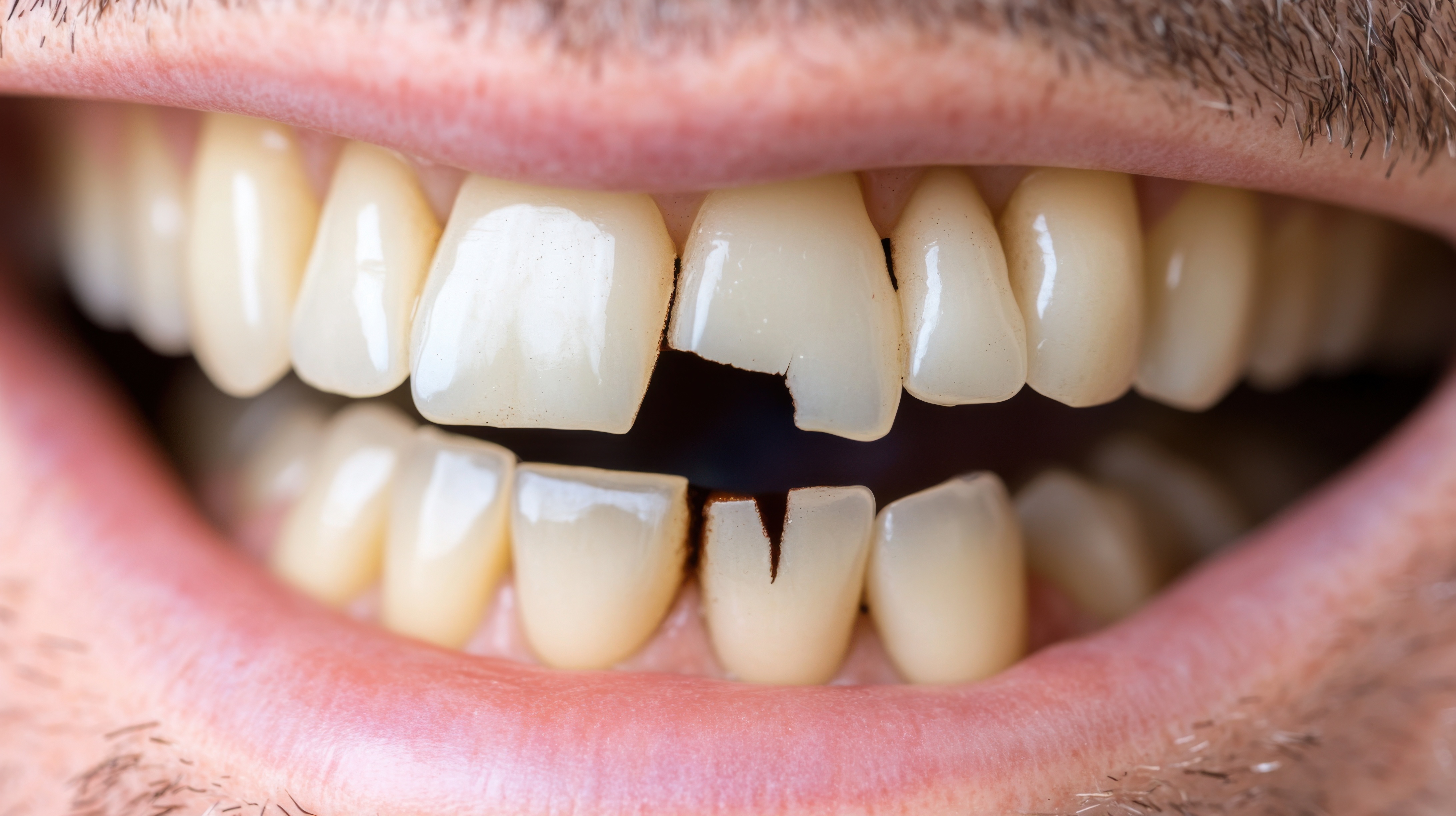
Cracked teeth are one of the most common dental problems we treat at Phoenix Dental in Carrollwood/Tampa. Cracks can range from tiny surface lines to deep fractures that threaten the entire tooth. The sooner a cracked tooth is diagnosed, the better your chances of saving it — and avoiding more serious treatments like root canals or extractions.
Here’s what you need to know about cracked teeth, why they happen, and how we treat them.
Why Do Teeth Crack?
Cracks often form from everyday habits and stress placed on the teeth.
Common causes include:
- Grinding or clenching (bruxism)
- Large, old fillings that weaken the tooth
- Chewing ice or hard foods
- Accidental trauma
- Biting on something unexpectedly hard
- Temperature shock (hot to cold rapidly)
- Aging enamel
- High bite forces or misaligned bite
Even small cracks can worsen quickly if not treated.
Types of Tooth Cracks
1. Craze Lines
- Tiny surface cracks
- Cosmetic only
- Usually painless
- Typically monitored unless esthetics are affected
2. Fractured Cusp
- A portion of the tooth around a filling breaks off
- Often caused by large old restorations
- Commonly treated with a dental crown
3. Cracked Tooth (Extending Toward the Root)
- Pain when chewing or releasing pressure
- Sensitivity to hot or cold
- Often requires a crown and sometimes a root canal
4. Split Tooth
- Deep crack separating the tooth into sections
- Often cannot be fully saved
- May require extraction or partial removal
5. Vertical Root Fracture
- Begins at the root and progresses upward
- Frequently discovered late
- Usually requires extraction
Early diagnosis is critical for preventing cracks from progressing.
Symptoms of a Cracked Tooth
Cracks can be difficult to diagnose because they often don’t show up clearly on X-rays.
Common symptoms include:
- Sharp pain when biting down
- Pain when releasing pressure
- Sensitivity to cold, heat, or sweets
- Intermittent pain that comes and goes
- Gum swelling near the tooth
- Difficulty chewing on one side
- A filling or crown suddenly feeling “off”
If you feel a quick, sharp jolt when chewing, a crack may be present.
Why Cracked Teeth Get Worse Without Treatment
Cracks tend to spread over time.
The longer treatment is delayed, the greater the risk of:
- Bacteria entering the fracture
- Deep decay
- Nerve inflammation
- Infection or abscess
- Root canal treatment
- Tooth fracture requiring extraction
Protecting the tooth early prevents the crack from propagating deeper.
How Phoenix Dental Treats Cracked Teeth
Treatment depends on the location and severity of the crack.
1. Small Surface Cracks (Craze Lines)
These are typically:
- Monitored
- Smoothed or polished if necessary
- Treated cosmetically only if desired
2. Cracks Around Old Fillings or Chewing Surfaces
Most functional cracks are treated with a full-coverage crown.
A crown helps:
- Hold the tooth together
- Prevent further fracture
- Restore chewing strength
- Protect the tooth long-term
Crowns remain the gold standard for protecting cracked teeth.
3. Cracks Reaching the Nerve
If the crack irritates the nerve, root canal therapy may be necessary before crown placement.
A root canal:
- Removes inflamed or infected nerve tissue
- Relieves pain
- Prevents infection from spreading
This allows the tooth to remain functional and stable.
4. Severe Cracks
If the fracture extends too deeply, extraction may be the safest option.
Replacement options may include:
- Bridges
- Partial dentures
- Other restorative solutions
We always attempt to save the natural tooth whenever possible.
How to Prevent Cracked Teeth
1. Wear a Custom Night Guard
Grinding and clenching are major causes of fractures.
A custom night guard:
- Absorbs bite forces
- Protects crowns and fillings
- Reduces enamel stress
- Helps prevent future cracks
Learn more about custom night guards.
2. Replace Old, Large Fillings
Older restorations weaken the surrounding tooth structure over time.
Modern restorations or crowns help reinforce these teeth.
3. Avoid Hard Foods
Avoid habits such as:
- Chewing ice
- Hard candy
- Unpopped popcorn kernels
- Biting pens or fingernails
4. Treat Bite Problems
Misaligned bites overload certain teeth and increase fracture risk.
5. Maintain Healthy Gums
Healthy bone and gum support reduce stress on teeth and help prevent fractures.
Routine periodontal maintenance is important for long-term stability.
How Cracked Teeth Lead to Bigger Problems
Untreated cracks increase the risk of:
- Deep cavities
- Nerve infections
- Abscesses
- Gum complications
- Bone loss
- Painful chewing
- Tooth loss
Many teeth that could have been saved early require root canals or extraction later because treatment was delayed.
Frequently Asked Questions
Can a cracked tooth heal on its own?
No — cracks do not heal naturally and must be stabilized.
Do all cracked teeth need crowns?
Most functional cracks do, especially on chewing teeth.
Is cracked tooth pain always constant?
No — symptoms are often intermittent and unpredictable.
What if I only feel pain when chewing?
That is one of the classic signs of a cracked tooth.
Why Choose Phoenix Dental for Cracked Tooth Treatment?
- Advanced diagnostic tools
- Conservative, tooth-preserving care
- High-quality zirconia crowns
- Custom night guards for bruxism
- Gentle root canal treatment when needed
- Honest, straightforward recommendations
- Focus on long-term tooth protection
We work to treat cracked teeth early — before they become larger, more expensive problems.
Conclusion
Cracked teeth can be painful, unpredictable, and progressively damaging — but with early diagnosis and proper treatment, many teeth can be saved successfully.
If you’re experiencing bite pain, sharp discomfort, temperature sensitivity, or pressure pain, don’t ignore it.
Call (813) 419-3808 or schedule online for a cracked-tooth evaluation at Phoenix Dental.
Stay Tuned
Have a question you’d like us to cover? Contact us—we’d love to hear from you.
