


Phoenix Dental – Carrollwood, Tampa
CBCT 3D Dental X-Rays: Why They Matter for Accurate & Safer Dentistry at Phoenix Dental in Tampa
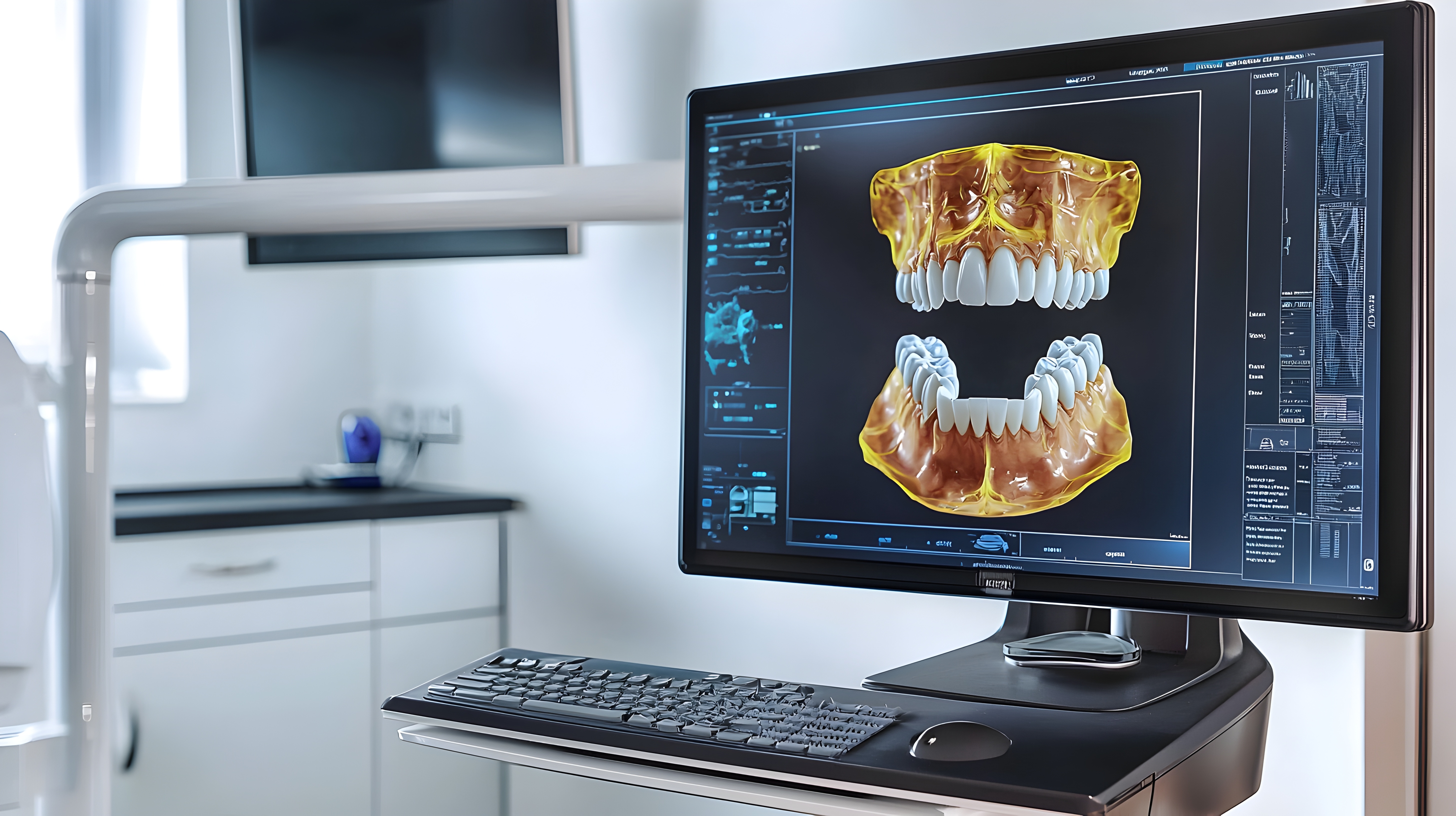
At Phoenix Dental in Carrollwood/Tampa, we use advanced technology to make your care safer, more accurate, and more predictable. One of the most important tools in modern dentistry is CBCT imaging — a highly detailed 3D scan that allows us to evaluate teeth, jawbone, nerves, sinuses, and surrounding structures with exceptional precision.
This guide explains what CBCT is, why we use it, and how it improves treatment outcomes.
What Is a CBCT Scan? (Cone Beam Computed Tomography)
CBCT stands for Cone Beam Computed Tomography, a specialized type of 3D dental X-ray.
Unlike traditional 2D dental X-rays, CBCT imaging provides a complete three-dimensional view of:
- Teeth
- Jawbone
- Nerve pathways
- Sinuses
- Airway structures
- Tooth roots
- Bone density
The scan captures a full 360-degree image of your oral anatomy in just seconds.
CBCT scans are:
- Quick
- Painless
- Highly detailed
- Lower radiation than medical CT scans
- Extremely valuable for complex treatment planning
Why Dentists Use CBCT Imaging
Traditional X-rays show only flat images. CBCT allows us to evaluate structures from every angle.
Benefits include:
- Improved diagnostic accuracy
- Better visualization of hidden anatomy
- Safer surgical planning
- More predictable treatment outcomes
- Earlier detection of infections and fractures
- Precise nerve and sinus mapping
At Phoenix Dental, we use CBCT technology only when clinically necessary and beneficial to your treatment.
When Is a CBCT Scan Recommended?
CBCT imaging is especially useful for advanced diagnostics and treatment planning.
1. Dental Implants
CBCT allows us to:
- Measure available bone precisely
- Evaluate bone density
- Map nerve locations
- Plan ideal implant positioning
Accurate planning improves long-term implant stability and safety.
2. Root Canal Treatment
CBCT helps identify:
- Hidden canals
- Deep infections
- Fractures
- Complex root anatomy
This improves diagnosis and treatment success.
3. Surgical & Wisdom Tooth Extractions
3D imaging helps evaluate:
- Impacted wisdom teeth
- Nerve proximity
- Sinus involvement
- Bone anatomy
Learn more about wisdom teeth extractions and surgical extractions.
4. Jaw Pain & TMJ Issues
CBCT can evaluate:
- Jaw joint alignment
- Bone wear
- Structural changes
- Joint asymmetry
5. Sinus Evaluations
Upper back teeth often sit very close to the sinus cavity.
CBCT helps identify:
- Sinus involvement
- Infection spread
- Anatomical limitations before procedures
6. Oral Pathology & Bone Loss
CBCT helps detect:
- Cysts
- Bone defects
- Hidden infections
- Severe periodontal bone loss
Routine periodontal maintenance remains important for protecting bone health long-term.
7. Trauma & Cracked Teeth
Some fractures are impossible to see on regular X-rays.
CBCT can help identify:
- Root fractures
- Bone fractures
- Hidden infections
- Complex crack patterns
What to Expect During a CBCT Scan
The process is fast and comfortable.
During the Scan
- You stand or sit still
- The scanner rotates around your head
- The scan takes approximately 10–20 seconds
- There is no discomfort or pressure
- Images appear immediately for review
Many patients enjoy seeing their anatomy in 3D because it improves understanding of their treatment needs.
How CBCT Improves Treatment Outcomes
1. Higher Accuracy
We can evaluate anatomy down to fractions of a millimeter.
2. Lower Risk
Precise planning improves safety during:
- Extractions
- Root canals
- Surgical procedures
3. Earlier Detection
Problems are identified before they become larger, more expensive issues.
4. More Customized Care
Every treatment plan is tailored specifically to your anatomy.
5. Improved Comfort
Better planning means fewer surprises and smoother procedures.
Is CBCT Safe?
Yes. CBCT imaging is designed specifically for dentistry and uses significantly less radiation than traditional medical CT scans.
At Phoenix Dental:
- We follow strict safety protocols
- We only recommend CBCT when necessary
- We use modern low-dose technology
- Protective measures are always prioritized
The diagnostic benefits often far outweigh the minimal exposure.
Frequently Asked Questions
Does insurance cover CBCT scans?
Many plans provide coverage when the scan is medically necessary.
Do I need a CBCT for every procedure?
No. CBCT is only used when standard X-rays do not provide enough information.
Will the scan hurt?
No. The process is painless and extremely fast.
Is CBCT safe for children?
Yes — when clinically necessary for orthodontics, airway evaluation, or diagnosis.
Why Phoenix Dental Uses CBCT Technology
- Precision-based diagnosis and treatment
- Improved surgical safety
- Better implant and root canal planning
- More predictable outcomes
- Advanced digital technology
- Clear patient education using 3D imaging
We believe modern technology leads to safer, smarter dentistry.
Conclusion
CBCT imaging gives Phoenix Dental the ability to diagnose and treat dental conditions with greater precision, safety, and predictability. Whether you need implants, extractions, root canal treatment, or evaluation of persistent pain, 3D imaging may be the key to a more accurate diagnosis and better long-term outcome.
Call (813) 419-3808 or schedule online to learn more about CBCT technology and advanced dental care at Phoenix Dental.
Stay Tuned
Have a question you’d like us to cover? Contact us—we’d love to hear from you.
